

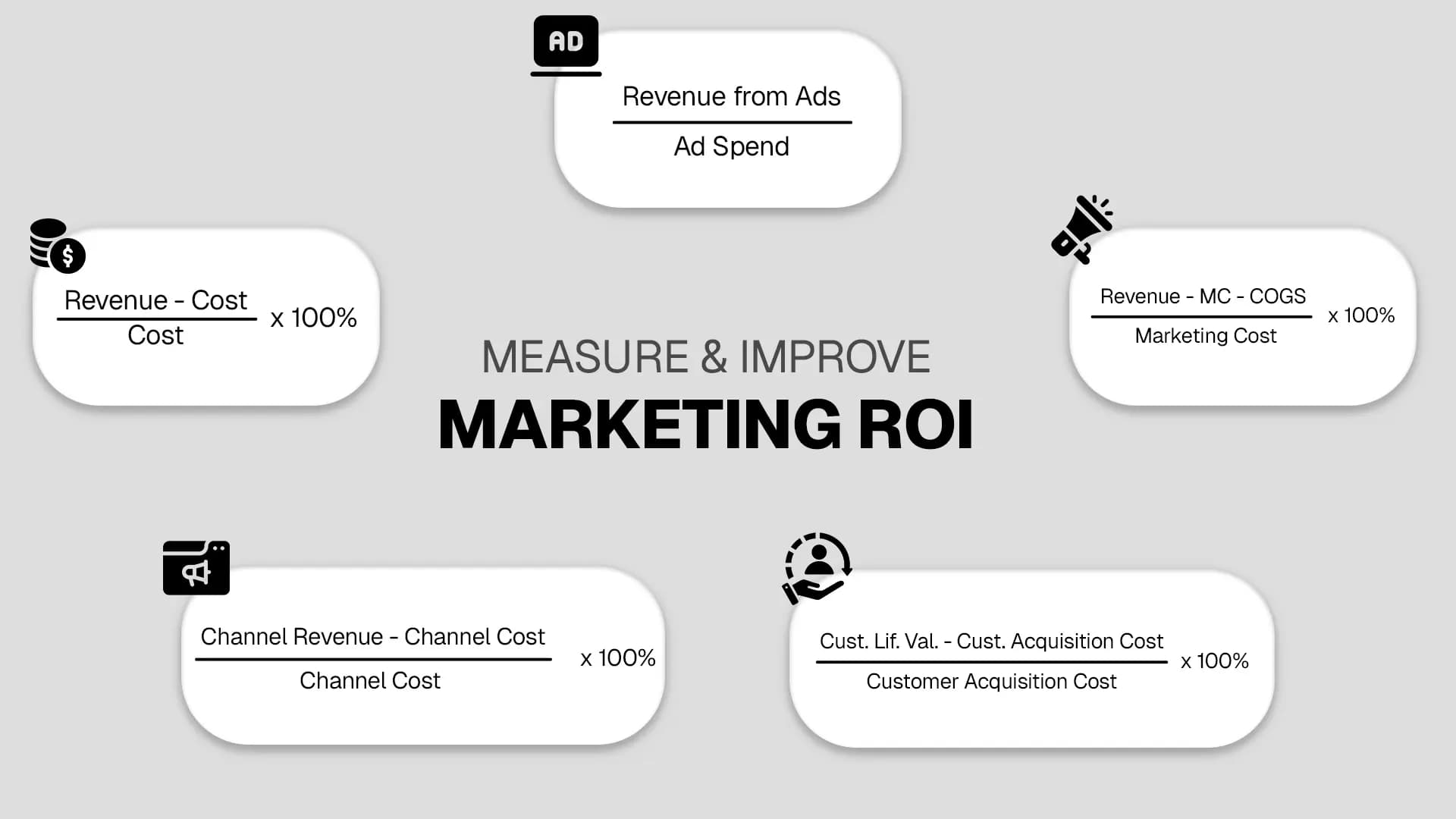
How to Measure & Improve Marketing ROI in 2025
Quick Summary: Marketing ROI isn’t just a number — it’s proof that your strategy works. In 2025, as marketing teams operate under tighter budgets and higher expectations, understanding your return on investment is no longer optional. In this article, we’ll break down how to measure Marketing ROI effectively, which metrics matter most, and how platforms like ObserviX help teams turn data into clear, revenue-driven insights.
Why Marketing ROI Tracking Matters More Than Ever
Let’s be honest — marketers today are under constant scrutiny. When numbers don’t immediately show progress, clients and executives start asking questions.
And in 2025, as AI redefines campaign management and the market becomes more competitive, you can’t rely on vanity metrics anymore. The only question that matters is: “Is our marketing actually generating a return?”
That’s where Marketing ROI tracking comes in. It’s how agencies and in-house teams prove their impact, justify every dollar spent, and strengthen client trust.
Platforms like ObserviX are designed to do exactly that — bringing together all marketing data in one place to show which channels, campaigns, and strategies truly drive growth.
What Is Marketing ROI (and Why It’s Often Misunderstood)
Every marketer has heard it: “We launched the campaign two weeks ago — where are the leads?” The truth is, marketing works in layers. Without a clear framework for measuring Marketing ROI, the progress that is happening often goes unnoticed.
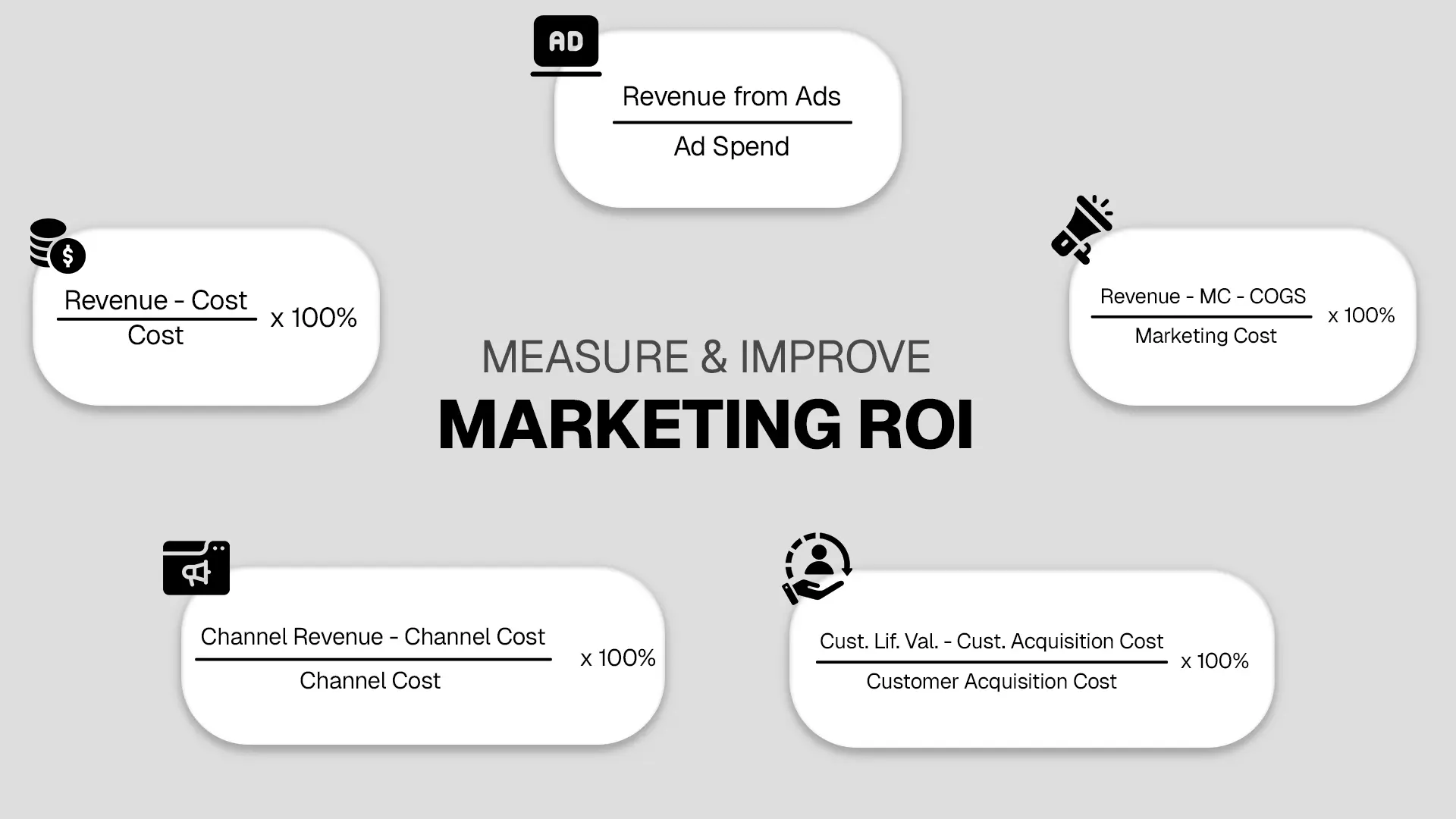
Marketing ROI measures the effectiveness of your marketing activities — how much revenue or value they generate compared to what they cost. It focuses purely on marketing performance, not the entire business financial picture.
This distinction is important:
- Business ROI requires CRM or sales system integration to track actual closed deals.
- Marketing ROI shows which marketing investments are generating measurable value — traffic, qualified leads, and marketing-attributed revenue.
ObserviX focuses precisely on Marketing ROI — connecting marketing efforts across all channels and visualizing how they contribute to measurable marketing performance.
The Real Power of Tracking Marketing ROI
When you can connect marketing activities to tangible outcomes, you:
- Build confidence with clients and leadership.
- Justify marketing budgets with hard data.
- Identify top-performing channels and campaigns.
- Reinvest in what’s driving measurable return.
Marketing ROI transforms marketing from guesswork into strategy. And when your analytics platform unites every channel in one ecosystem — like ObserviX does — that transformation becomes effortless.
Key Metrics That Drive Marketing ROI
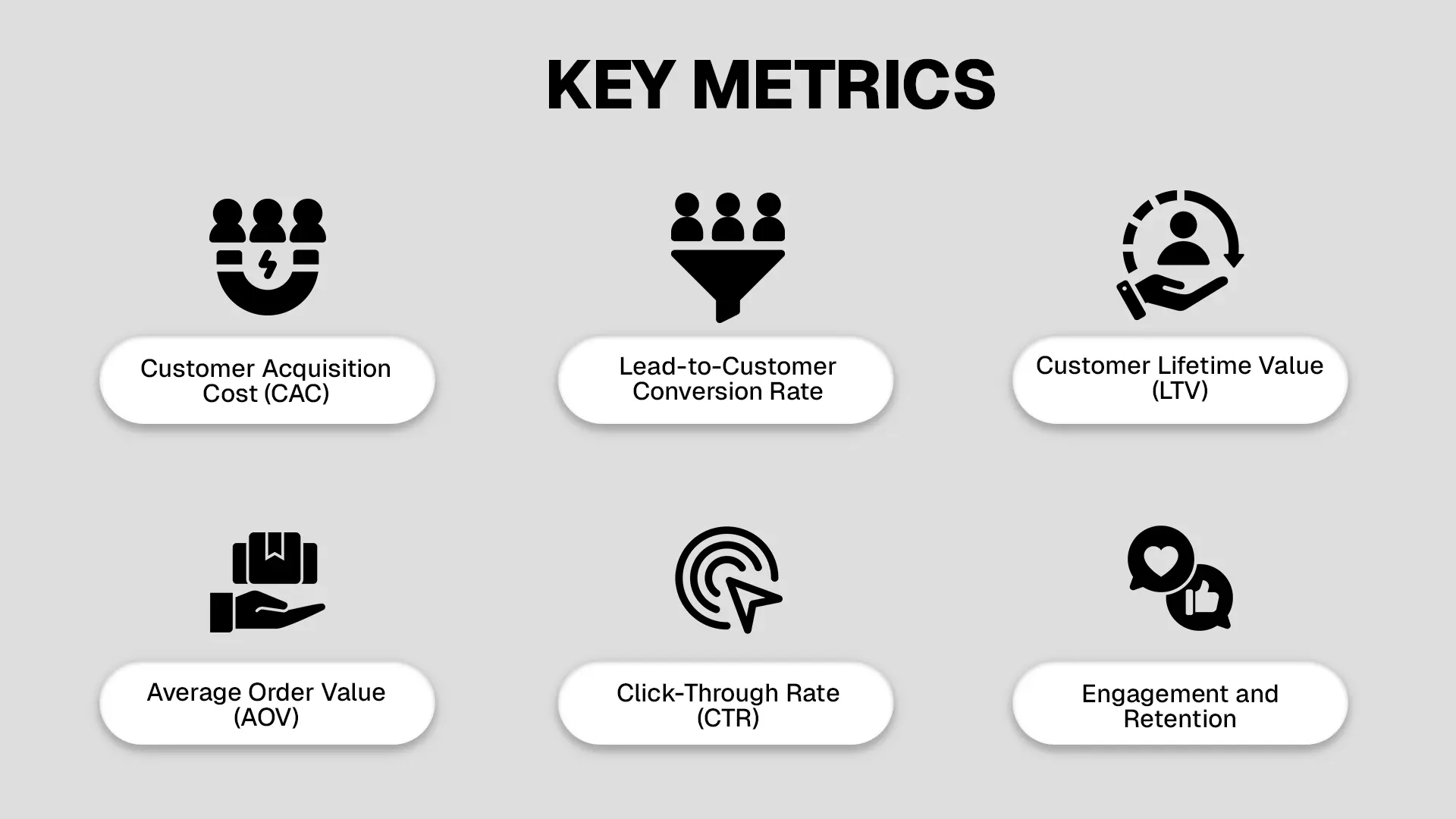
To measure Marketing ROI effectively, focus on data that connects spend to measurable outcomes.
Essential metrics include:
- Customer Acquisition Cost (CAC): How much it costs to gain one customer.
- Lead-to-Customer Conversion Rate: Indicates how efficiently marketing turns attention into actual customers.
- Customer Lifetime Value (LTV): Shows long-term payoff of campaigns designed to build relationships.
- Average Order Value (AOV): Higher AOV boosts the overall marketing return.
- Click-Through Rate (CTR): Helps identify how engaging your campaigns are.
- Engagement and Retention: Loyal audiences increase overall marketing value over time.
By tracking these metrics inside ObserviX, marketers can clearly see which efforts deliver measurable marketing ROI — and which need optimization.
Best Tools for Tracking Marketing ROI in 2025
Analytics tools are everywhere. But few can truly connect the dots between marketing actions and marketing outcomes.
Here’s how forward-thinking marketers approach ROI tracking this year:
- ObserviX – Best for unifying all marketing channels into a single Marketing ROI view.
- AI-powered attribution modeling
- Full marketing funnel tracking
- Multi-channel performance insights
- Clear visualization of Marketing ROI across campaigns ➜ Explore how ObserviX helps track Marketing ROI
- Google Analytics (GA4) – A must-have for event-based tracking and traffic attribution.
- Mixpanel – Excellent for analyzing user behavior and conversion funnels.
- Adobe Analytics – Enterprise-grade analytics and advanced segmentation.
Unlike traditional analytics platforms, ObserviX focuses entirely on Marketing ROI — connecting campaign data, ad spend, and engagement metrics to clear business-oriented outcomes.
5 Proven Ways to Improve Marketing ROI
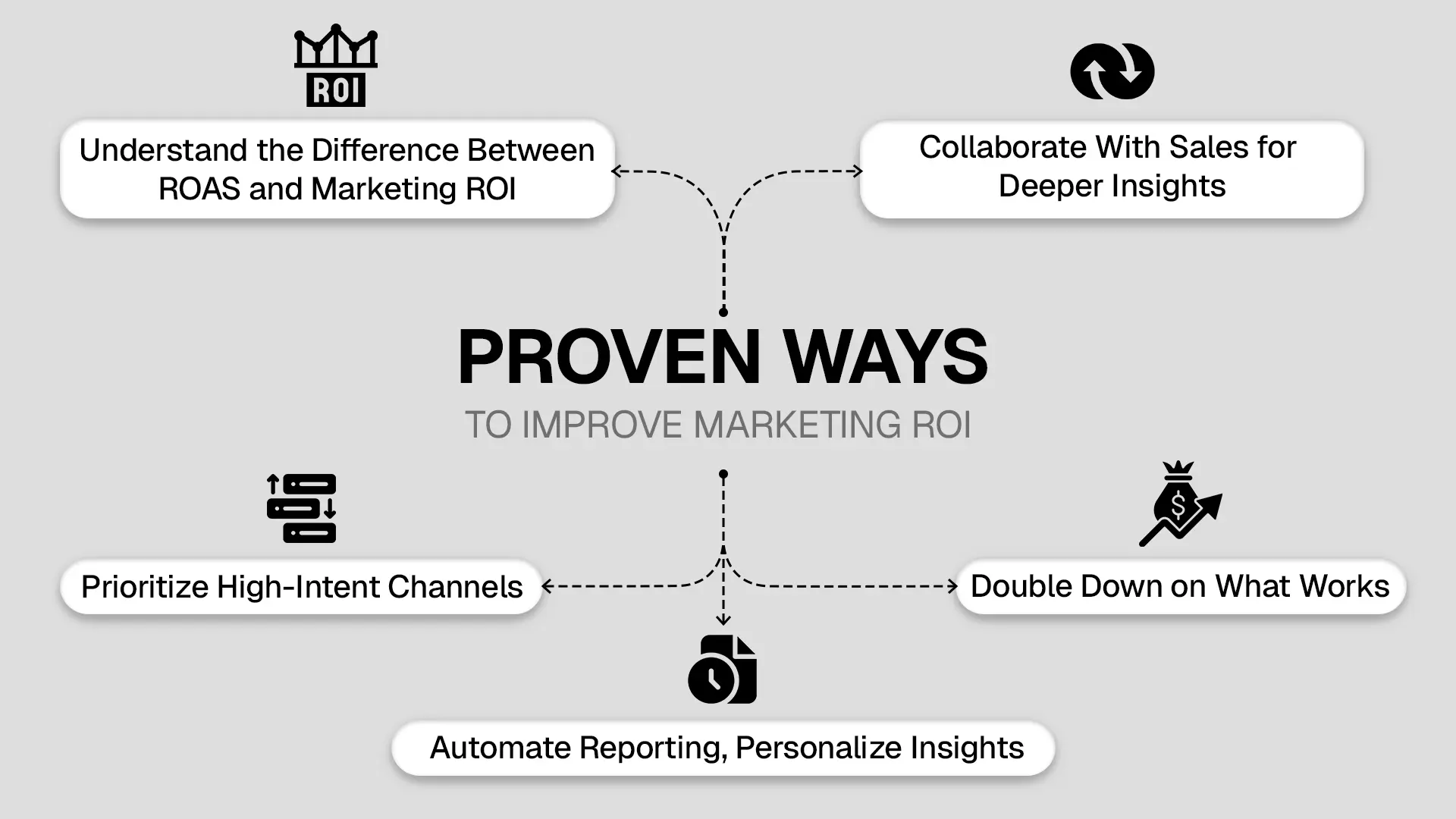
- Understand the Difference Between ROAS and Marketing ROI ROAS measures ad revenue. Marketing ROI includes all marketing costs — production, tools, and time. Both matter, but Marketing ROI gives the full picture.
- Prioritize High-Intent Channels Paid search, retargeting, and email often outperform top-of-funnel tactics in conversion efficiency.
- Double Down on What Works Identify the 20% of campaigns driving 80% of results — and scale those.
- Collaborate With Sales for Deeper Insights Even though ObserviX focuses on Marketing ROI, connecting it with CRM data helps you understand the full revenue impact.
- Automate Reporting, Personalize Insights Automation saves time — but interpretation creates trust. Always contextualize your data for clients or leadership.
Final Takeaway: Marketing ROI Builds Trust and Growth
In the end, clients and executives don’t care about raw data — they care about outcomes. Marketing ROI tracking helps you move the conversation from “what we did” to “what we achieved.”
When your team can prove marketing’s direct contribution to growth, you’re no longer defending budgets — you’re guiding strategy.
And that’s exactly what ObserviX empowers you to do.